 Michele Eccher
On this page
The differences between SEO and Google Ads that affect your decision
SEO improves your site's content and accessibility for organic search. Search ads enter advertising auctions. With pay-per-click advertising, you pay for ad clicks; SEO takes work even though Google does not charge for organic clicks. Google's comparison of SEO and PPC explains the distinction.
| Factor | SEO | Search ads |
|---|---|---|
| Control | You choose the pages and improvements. Google determines indexing and rankings. | You set campaigns, budgets, and targeting. The auction determines whether and where your ad appears. |
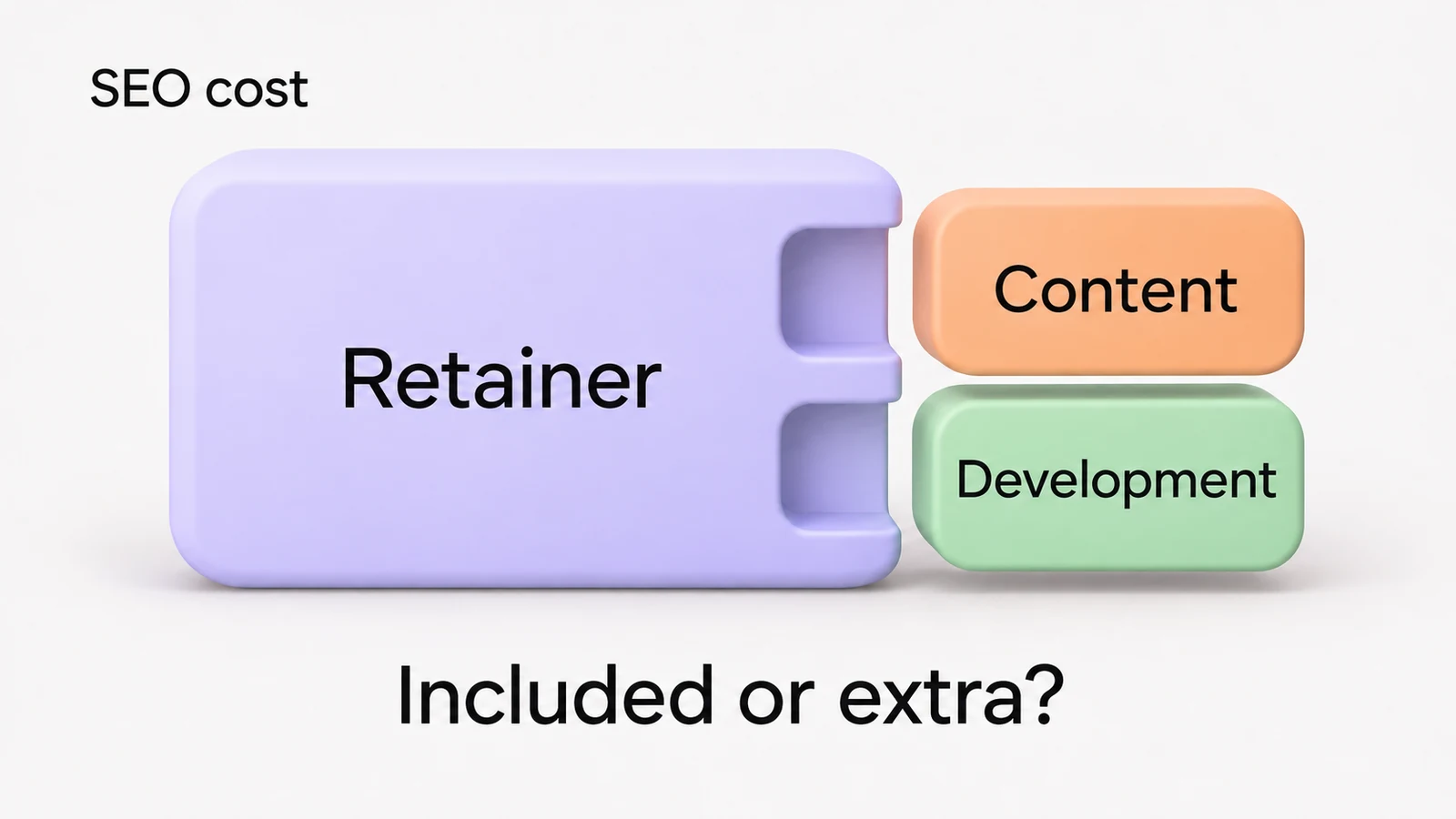
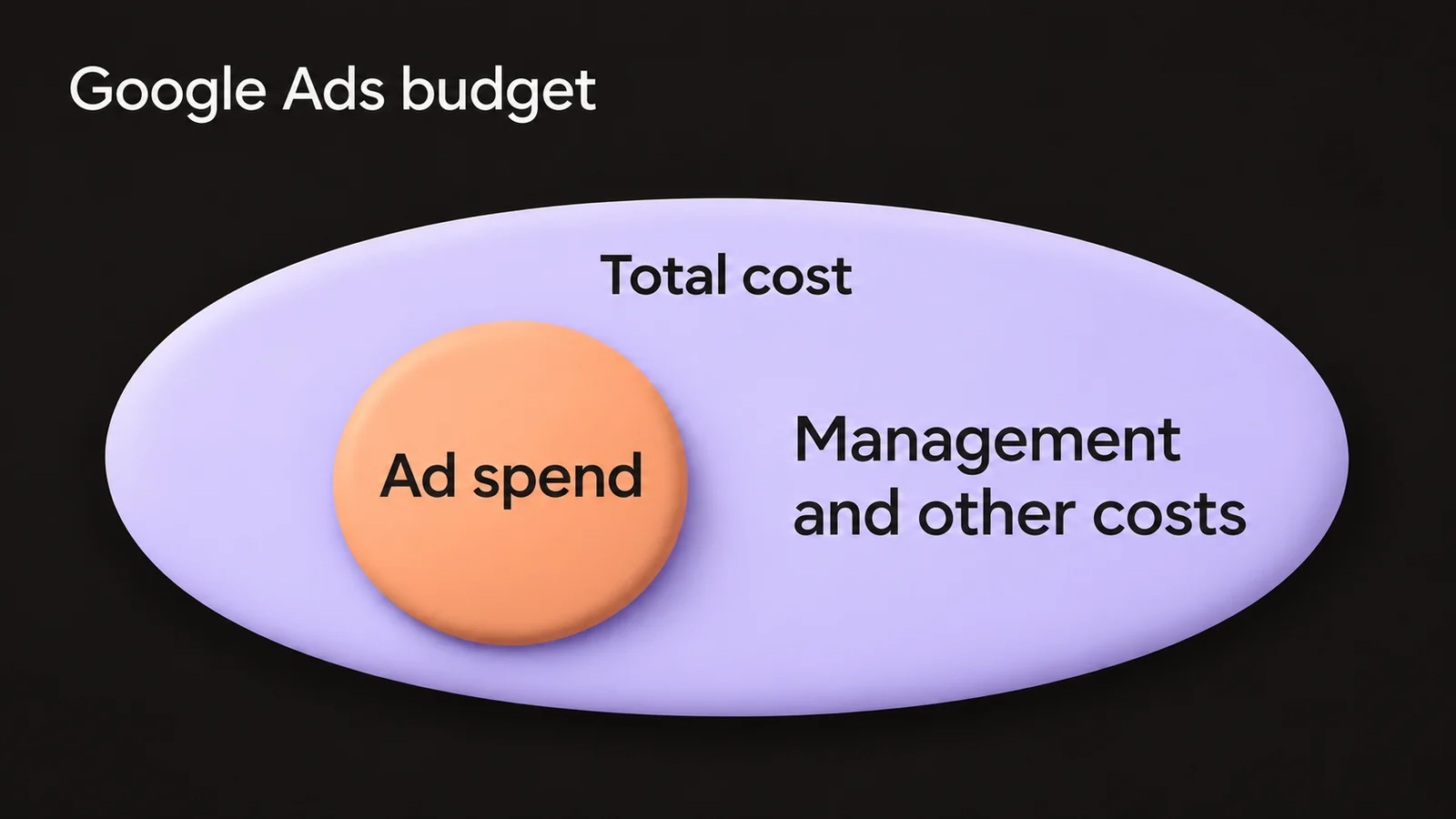
| What you need to fund | Analysis, content, development, and site maintenance. | Ad spend, campaign management, creative assets, landing pages, and measurement. |
| When you stop the work | Your pages remain online, but traffic and rankings can change. | A paused campaign stops serving ads. You may still receive conversions from earlier clicks. |
Spending more does not guarantee the top ad position. Ad Rank also considers ad and landing page quality and the context of the search. Ads spending does not buy organic rankings. Insights about customer needs and useful pages can inform both efforts, but paying for ads gives you no direct SEO advantage.
What to check before choosing a channel
Are people already searching for what you sell?
Start with the language customers use in their inquiries. Search for your service in the market you want to reach and examine the results. Someone searching for "moving truck rental Denver" may be ready for an offer; someone searching for "how to plan a move" may primarily need instructions. Look for sales pages, guides, maps, or product listings, and decide whether you have a page that meets that need.
If you have Search Console access, review the queries your site already appears for. Keyword Planner provides search and cost estimates. Ask for a plan specific to your location and offer, and treat it as an estimate, not a sales forecast. A lack of impressions for your site alone does not prove that nobody searches for your product. If the category is new and people are unfamiliar with the need it addresses, consider how to build awareness before committing your entire budget to search. That decision belongs in your broader digital marketing strategy.
Do you have a sales deadline or an ongoing goal?
An event with registration closing soon calls for a different approach than a service you sell year-round. Ads can reach existing demand while the campaign is running, after setup and eligibility checks. Sales still depend on the offer and how people respond. A deadline does not make them certain.
For SEO, Google explains that the time it takes to see the effects of changes varies. If you need orders by a near-term deadline to pay for the project, resolve that funding gap before relying on organic growth. The guide to how long SEO takes separates publishing, indexing, and business results.
Which sales leave enough margin to acquire a customer?
Compare similar products or services. Work out how much remains after variable costs, how much you can spend on acquisition, and when you receive payment. An ecommerce business needs to account for returns and shipping; a service business needs to include the work required to deliver the service. If repeat purchases are supposed to recover the acquisition cost, you need evidence of their frequency and margin.
A product with plenty of search demand can still be unprofitable to promote. Limit the test to offers with suitable margins and availability, or address the costs and offer first. Switching to SEO will not automatically fix an offer that loses money. Content and development also have to be paid for.
Who will do the work and follow up on inquiries?
Before committing a budget, assign responsibility for site updates, content approval, and results. Complete a test purchase or form submission and check that it reaches the right destination. Your conversion measurement must match the action you intend to track. A submitted inquiry and a click on a phone number do not confirm the same outcome.
If nobody can update the site, the SEO plan will sit unfinished. If sales inquiries go unanswered, buying more visits risks paying for leads nobody follows up with. Fund the work that lets you use that traffic first. For checks on the destination page, see the guide to building a landing page for Google Ads.
Three scenarios: where to start and when to reconsider
These are hypothetical scenarios. The businesses, available information, and decisions do not describe Qreativa clients or results.
An in-person course with registration closing soon
A school has spaces left in a photography course and closes registration in three weeks. Assume it has confirmed relevant searches in its city, a page with the syllabus and price, and a working registration process.
Start with a Search campaign limited to the course and its local area. Set a spending cap that the margin on the remaining spaces can support. SEO for future courses can be a separate project; it is not responsible for filling this one. Track paid registrations, costs, and remaining spaces while the campaign runs.
Reduce or stop spending if the course fills up, registration closes, or acquisition costs exceed the agreed limit. If people visit but do not register, check where the purchase process breaks down before raising the budget.
A furniture restoration shop with enough work already booked
The shop gets work through referrals, has projects scheduled, and wants to reach people searching locally for furniture restoration. Its website says little about the work. The owner can provide photos with permission to use them and explain the services, and someone is available to publish the updates.
SEO is a reasonable starting point: improve the service pages and show which kinds of furniture the shop restores. Cash flow does not depend on immediate inquiries, and the website has specific gaps to address. First check that the updated pages are published and indexed, then examine the searches and inquiries they attract.
Reconsider if capacity opens up and the shop needs new projects by a specific date. A limited Ads test for the available service may make sense. If missing photos or approvals hold up the pages, resolve that delay before commissioning more SEO work.
An ecommerce store growing an established category
An outdoor gear store wants to grow its hiking backpack category. Assume it already receives orders in other categories, has enough inventory, knows its margins, and has confirmed relevant search demand. Its category and product pages are still incomplete.
The store can use both channels. SEO improves category pages, product descriptions, and useful internal links. Search ads promote a limited group of products in stock. Campaign inquiries and orders can reveal questions the pages should answer, but they do not predict where those pages will rank organically.
Review the budget by product group. After returns and acquisition costs, sales must leave the planned amount for overhead and profit. If ads mainly bring in sales that fail that test, reconsider which products you promote. Reduce promotion when inventory runs short. If planned page updates are unfinished, complete the SEO work already funded before expanding the project.
How to divide the budget between SEO, Ads, and site improvements
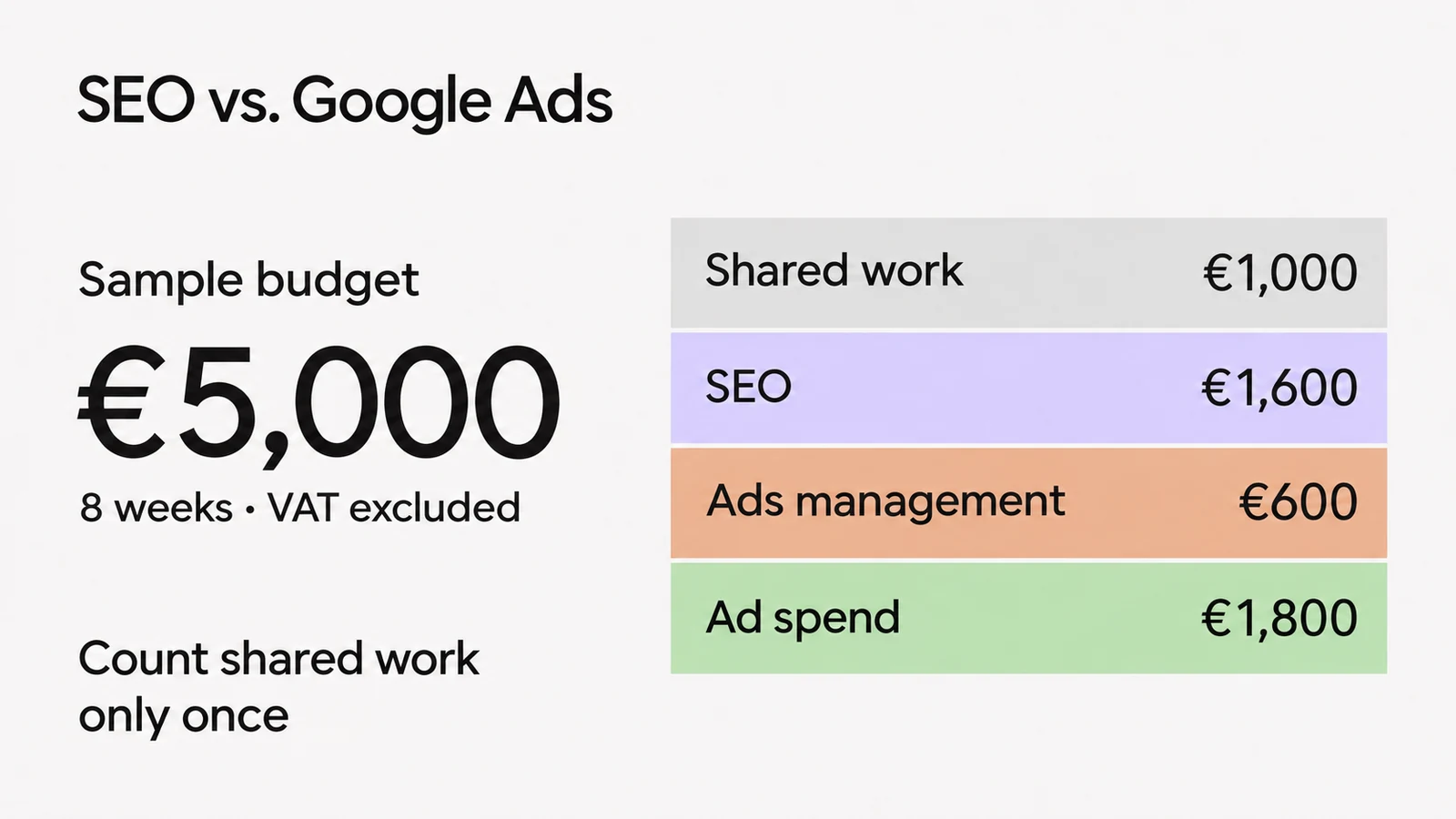
Start with the work required and how long you can afford to fund it. Separate shared work, such as fixing checkout and verifying order tracking, from SEO tasks and campaign management. Count each site improvement once. Then check whether the remaining budget can support both an achievable SEO project and a useful advertising test. If it cannot, narrow the offer or work in phases.
For the ecommerce example, assume the store operates in Italy and has a €5,000 cap for its first eight-week cycle. These illustrative amounts show one way to allocate a budget. They are not US market prices, a recommended budget, or a promise of results in eight weeks. Amounts exclude Italian VAT and include internal staff time in the relevant categories. The €1,800 allocated to the advertising platform includes any applicable surcharges.
| Category | Amount | Work covered in this example |
|---|---|---|
| Shared site work | €1,000 | Fixing the purchase process and checking measurement. |
| SEO work | €1,600 | Revising the category page, selected product pages, and internal links. |
| Ads setup and management | €600 | Setting up the campaign, reviewing search terms, and assessing results. |
| Ad spend and surcharges | €1,800 | The platform spending cap for the Search test. |
| Total | €5,000 | 1,000 + 1,600 + 600 + 1,800. |
Before approving this allocation, the business checks that quotes and available staff hours cover the proposed work. It also asks whether the advertising allocation can bring enough relevant visits for a useful test, using the estimates and historical data available. If it cannot, the business reduces the product selection or postpones the test. €1,800 is not assumed to be enough in every market.
Translate the project cap into campaign settings and monitor spending while ads run. Google Ads' average daily budget is not a hard daily spending cap. For calculations, excluded costs, and quote comparisons, see how much Google Ads costs and how much SEO costs.
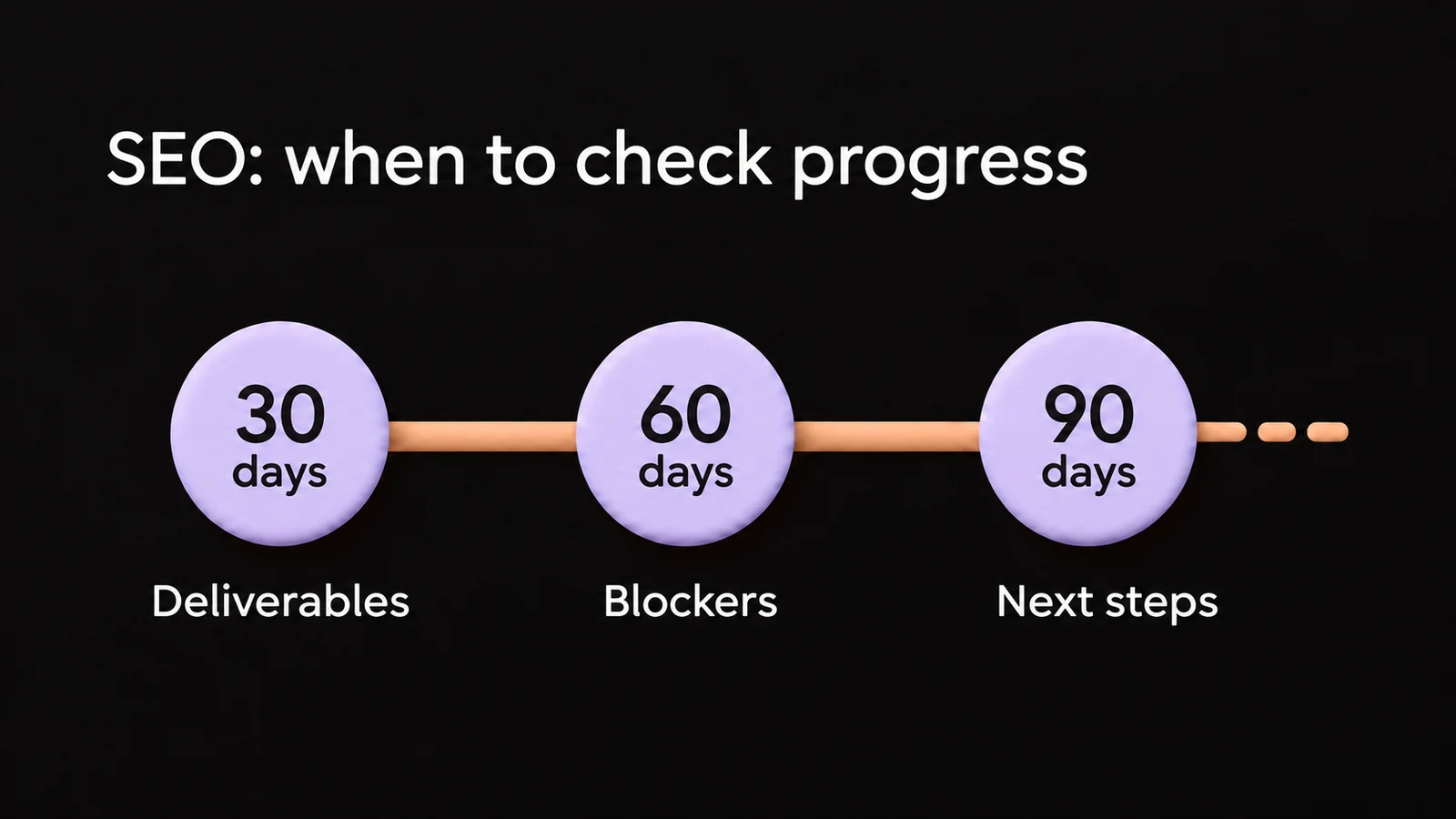
At the end of the cycle, decide what to fund next. The SEO review includes work completed and how the pages are performing; it does not assume the investment has already paid for itself. In this example, weekly checks cover spending, inventory, orders, and page updates. The plan is reviewed at the end of week eight.
When to move budget between channels
Before starting, write down what evidence would justify increasing, correcting, or stopping spending. For ads, track qualified inquiries or orders, the full cost, and margin. For SEO, also check which improvements are live and which pages are starting to appear for the intended searches. Assess SEO results through those stages and allow time for inquiries to turn into sales.
If a channel produces results you can sustain, assess what the next budget increase could achieve. Additional spending may reach less profitable searches or products than those you already cover. Do not assume the next dollar will earn the past average return. If the problem is a form, checkout, or customer follow-up, fix that before moving money between channels.
Should you turn off ads once you rank first organically?
Examine searches for your brand separately from searches for your products or services. Once you link Search Console and Google Ads, the paid and organic report shows the combined visibility of text ads and organic results. It excludes Shopping ad performance and does not establish which sales would have happened without ads.
To assess a reduction, choose a limited group and agree in advance on the largest drop in orders or inquiries you can tolerate. Track total unique business outcomes, including those from organic search, and record promotions, availability, and seasonality. A before-and-after comparison cannot isolate the effect of pausing ads if other conditions have changed. A substantial investment calls for a test designed around that situation.
Do not add conversions reported by different tools as though each were a different customer. Attribution models assign credit in different ways. Reconcile orders and contacts in your order system or CRM before deciding which channel deserves more budget.
Record your decision and when to revisit it
Use one copy of the decision log per offer or category. Fill in the "value" column with observed demand, urgency, margins, resources, your initial decision, and the budget. For information you do not have, write "to verify" and explain how you will get it. Use zero only when it is the actual value.
Add a review date and a specific condition, such as stopping promotion when the selected products are unavailable. At the review, keep the original decision and complete the actual spending and results, revised decision, and next check. The budget rows contain no formulas. Check that the four allocations add up to the total and that each cost appears only once.
- Download the blank decision log (CSV).
- Download the ecommerce example (CSV), with the assumptions and budget used here.
Open the files in Excel, LibreOffice, or Google Sheets. If the columns do not separate, import them using UTF-8 encoding and a comma delimiter. The blank log has a currency field; enter all amounts in that currency. The example uses euros. Actual spending and results have not yet been recorded in the example: the initial budget is a plan, not money already spent.
Sharing pages and responsibilities across SEO and Ads
Can SEO and Google Ads use the same landing page?
Yes, if the page answers the search and delivers on the ad's promise, explains the offer, and makes it easy to buy or contact you. A temporary promotion with different terms may need its own page. Base the decision on what the visitor needs. Duplicating a page just because the channel changes adds maintenance work and can leave you with nearly identical content.
Who allocates the budget if two different agencies handle SEO and Ads?
Assign the decision to someone inside the business who understands margins and sales capacity. Ask both agencies to use the same reporting period and definition of a result, while distinguishing new customers, existing customers, and brand searches. Any proposed increase should explain what additional work or advertising it buys, how much it costs, and what evidence supports it. The person responsible for the decision approves the total spend and records the next review date.