


The Search Engine Results Page (SERP) has undergone one of the most significant transformations in the history of digital marketing. For years, SEO strategies revolved around ranking for target keywords and securing a position among Google's ten blue links. Businesses invested heavily in keyword optimization, backlink acquisition, and technical SEO because higher rankings typically translated into more traffic and conversions.
Today, the search landscape looks very different. Artificial intelligence has fundamentally changed how users search for information and how search engines present results. Instead of acting primarily as directories that point users to relevant websites, search engines are increasingly becoming answer engines that provide immediate responses, summaries, recommendations, and contextual information directly within the results page.
For businesses and SEO professionals, this shift represents both a challenge and an opportunity. Success is no longer measured solely by rankings. Visibility, authority, trust, expertise, and brand recognition now play a much larger role in determining whether users discover and engage with your content.
From search results to answer engines
Traditional search engines were designed to help users find information by directing them to external websites. Users entered a query, reviewed a list of results, and clicked through to find the answer they needed.
AI-powered search has changed this behavior. Modern search experiences increasingly deliver answers directly within the SERP through AI-generated summaries, featured snippets, knowledge panels, local results, videos, discussions, and interactive elements. Google's AI Overviews, for example, can provide comprehensive answers that synthesize information from multiple sources before users even see the traditional organic listings. This evolution reflects a broader change in user expectations. People want faster answers, less friction, and more personalized experiences. As a result, search engines are investing heavily in technologies that help users complete tasks without needing to visit multiple websites.
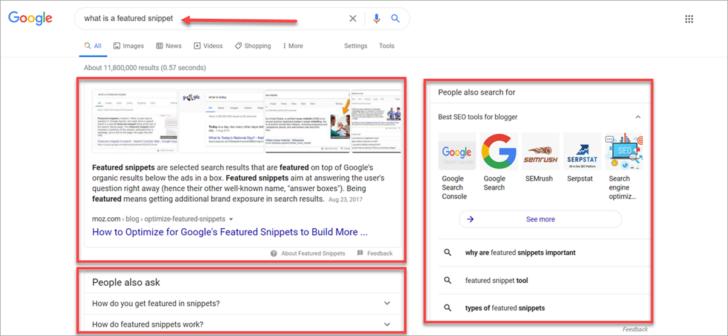
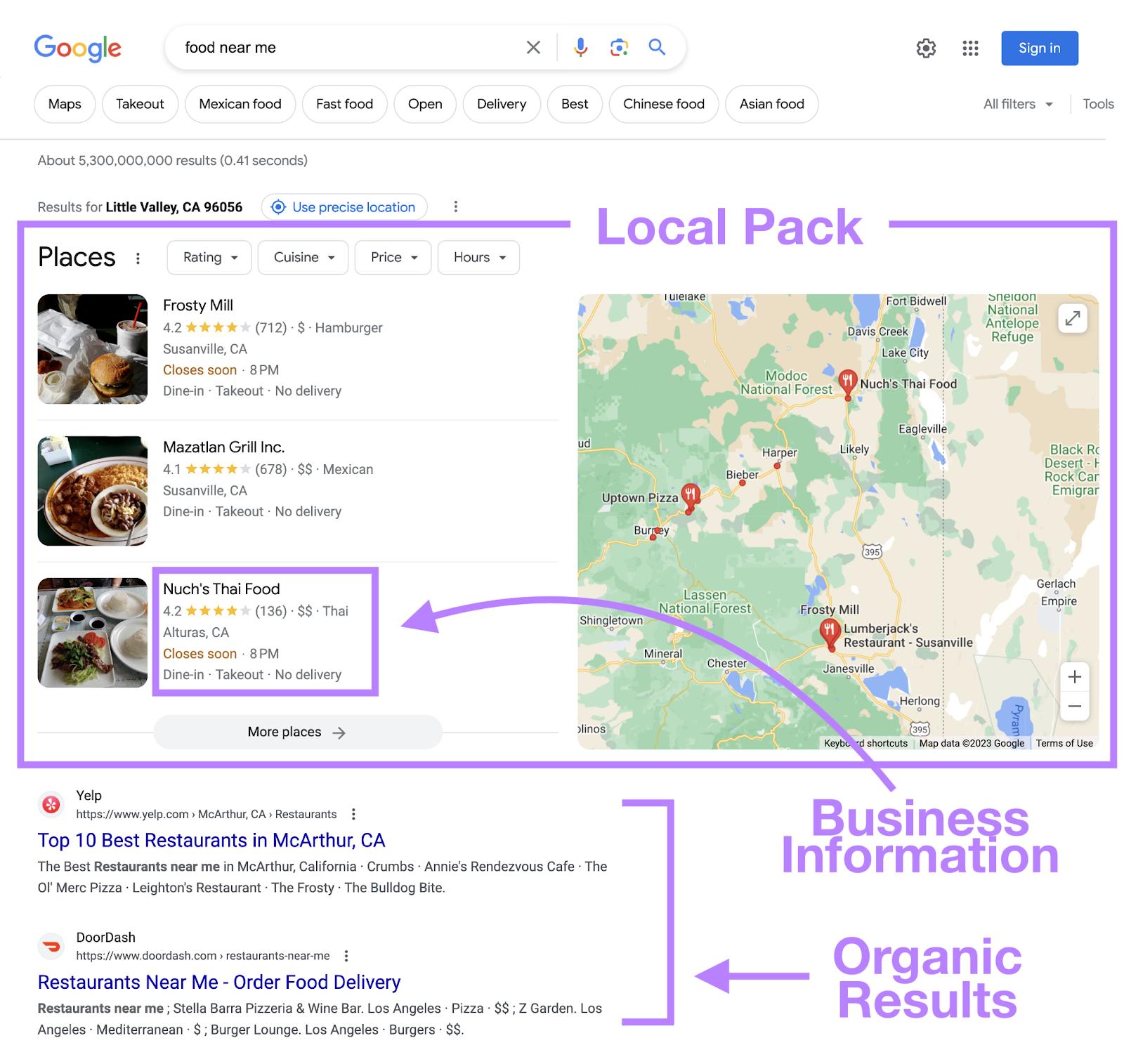
For SEO professionals, this means that ranking first is no longer the only goal. The real objective is becoming visible wherever users interact with information throughout the search journey.
Search intent has overtaken keywords
Keywords remain important, but they are no longer the primary focus of modern search algorithms. Artificial intelligence enables search engines to understand context, meaning, and intent far more effectively than in the past. A search for "best online marketing course" might indicate a user looking for reviews, pricing information, certification options, learning outcomes, or career opportunities. Search engines now attempt to understand these broader needs rather than simply matching keywords. As a result, businesses that create content solely around individual keywords often struggle to compete with websites that comprehensively address user intent.
Successful SEO strategies now focus on solving problems rather than targeting isolated search terms. Content must answer primary questions while also addressing related concerns, comparisons, alternatives, and follow-up queries that users are likely to have.
Meanwhile topical authority matters more than ever
One of the biggest changes in the AI era is the growing importance of topical authority. Search engines increasingly evaluate whether a website demonstrates deep expertise across an entire subject area rather than relying on the performance of individual pages. A website with hundreds of high-quality resources covering a topic is often viewed as more authoritative than a site with only a handful of articles targeting specific keywords.
For example, a company offering cybersecurity services should not only publish service pages. It should also provide educational guides, industry insights, threat analysis, compliance resources, case studies, and expert commentary. Together, these assets create a network of content that demonstrates expertise and authority.
This approach aligns with how AI systems evaluate information. Large language models and AI-powered search engines look for consistency, depth, relevance, and expertise across an entire domain when determining which sources deserve visibility.
Why E-E-A-T has become a competitive advantage
As AI-generated content becomes increasingly common, E-E-A-T—Experience, Expertise, Authoritativeness, and Trustworthiness—has become one of the most important concepts in modern SEO. Search engines are faced with an unprecedented volume of content. Much of it is created quickly using AI tools, making it harder to distinguish valuable information from generic content.
To address this challenge, search systems increasingly prioritize signals that demonstrate real-world experience, subject matter expertise, authority within a field, and trustworthiness. Businesses can strengthen E-E-A-T by showcasing qualified authors, publishing original research, sharing first-hand experiences, citing reputable sources, highlighting certifications, and maintaining transparency about who creates their content.
In many industries, especially those related to education, healthcare, finance, and professional services, E-E-A-T can be a significant differentiator between websites that gain visibility and those that struggle to compete.
Brand visibility is becoming more important than rankings
The rise of AI-generated answers is changing the relationship between users and websites. Historically, users searched for information and clicked on the website providing the answer. Today, users may receive answers directly from AI-generated summaries without ever visiting a page.
As a result, brand recognition is becoming increasingly important. Businesses that are frequently cited, mentioned, referenced, and discussed across the web are more likely to be recognized by search engines as authoritative sources.
This means SEO is no longer limited to optimizing webpages. Digital PR, thought leadership, expert contributions, media coverage, online reviews, and reputation management all contribute to search visibility. Organizations that build strong brands often benefit from increased visibility in both traditional search results and AI-powered search experiences.
How the AI-driven SERP impacts Educational Businesses
Educational organizations are among the sectors most affected by AI-driven search. Whether they are schools, academies, universities, online learning platforms, coaching businesses, or professional training providers, these organizations depend heavily on trust, expertise, and authority to attract prospective students.
When users search for courses, certifications, degree programs, or learning resources, AI-powered search engines increasingly evaluate multiple sources before presenting recommendations and summaries. As a result, educational institutions must demonstrate why their content and programs deserve attention. Prospective students often compare providers before making enrollment decisions. They want to understand who teaches the course, whether instructors possess relevant qualifications, what outcomes students can expect, and whether the institution has a credible reputation. AI systems are increasingly capable of identifying these trust signals and incorporating them into how information is presented.
For educational businesses, E-E-A-T is particularly important because education directly impacts career opportunities, earning potential, and professional development. Institutions that showcase instructor expertise, accreditation, student success stories, partnerships, research contributions, and transparent course information are better positioned to establish authority in both traditional and AI-powered search. Topical authority also plays a critical role. Rather than focusing solely on course landing pages, educational organizations should develop comprehensive content hubs around their areas of expertise. A digital marketing academy, for example, can strengthen its authority through tutorials, industry reports, career guidance articles, case studies, webinars, and expert interviews. This broader content ecosystem demonstrates expertise while helping prospective students at different stages of their learning journey.
Perhaps most importantly, educational businesses must provide insights that AI-generated content alone cannot replicate. Original research, real-world teaching experience, practical examples, student projects, and instructor perspectives create unique value that helps institutions stand out in an increasingly crowded search environment.

The future of SEO in an AI landscape
The future of SEO will not be defined by keywords alone. It will be shaped by trust, expertise, authority, context, and user value. Businesses that continue relying on outdated tactics focused exclusively on rankings may find it increasingly difficult to compete. In contrast, organizations that invest in topical authority, E-E-A-T, brand reputation, and genuinely helpful content will be better positioned to succeed.
AI is not replacing SEO. It is changing what effective SEO looks like. The websites that thrive in this new era will be those that consistently demonstrate expertise, answer real user needs, and establish themselves as trusted authorities within their industries. While the SERP may continue to evolve, the underlying goal remains the same: helping users find reliable information and make informed decisions. Businesses that focus on delivering that value will remain visible, relevant, and competitive in the years ahead.